Choosing beds in elderly care facilities is crucial. The right bed can significantly impact comfort and overall health. Dr. Emily Carter, an expert in geriatric care, states, "Choosing the right bed is not just about comfort; it's about enhancing the quality of life for our elderly."
So, what kind of bed is suitable for elderly care facilities? The answer lies in understanding individual needs. Beds must provide adequate support and ease of use. Adjustable beds can be beneficial, allowing residents to find their preferred position with minimal strain. Non-slip surfaces and appropriate height are also essential for safety.
Many facilities overlook the importance of mattress quality. Beds that prevent pressure sores can prolong comfort and mobility. Staff training on how to assist residents with these beds is necessary, though often neglected. Ultimately, making informed choices about beds can lead to better outcomes for the elderly. This topic deserves thoughtful consideration and ongoing improvement.
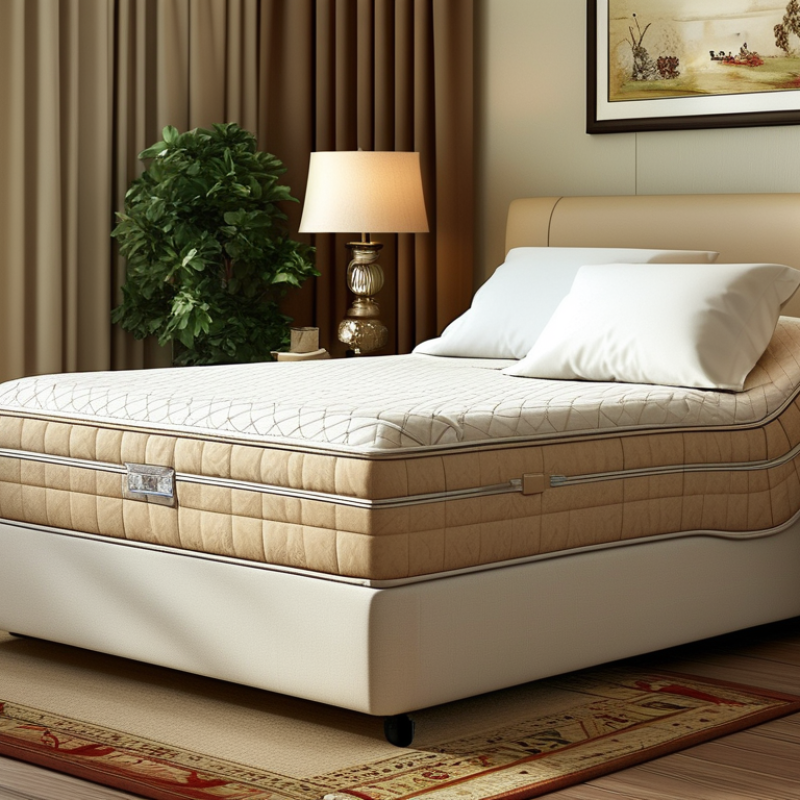
Choosing the right bed for elderly care facilities is crucial. The unique needs of seniors demand special attention to their comfort and health. According to a study by the Journal of Aging Research, proper bedding can significantly reduce pain and improve sleep quality. Elderly residents often experience mobility issues, and inadequate beds can exacerbate these problems.
Tip: Select beds with adjustable heights. This feature helps residents get in and out of bed safely. Lower beds reduce the risk of falls.
Many elderly individuals face challenges like incontinence and pressure sores. The National Pressure Ulcer Advisory Panel states that a pressure-relieving mattress can prevent skin breakdown. Care facilities should consider beds that allow easy access for caregivers. This ensures timely assistance in case of emergencies.
Tip: Look for lightweight bed designs. Heavy beds make repositioning difficult for staff, compromising patient care.
Creating a comfortable environment is about more than just the bed. The right selection can foster independence and dignity. It's vital that decision-makers are aware of each resident's specific needs to promote a better quality of life.
When selecting beds for elderly care, it is crucial to evaluate the various types available. Hospital beds are common, featuring adjustable heights and positioning.
These beds enhance comfort for those with mobility issues. They can reduce strain on caregivers. However, not all patients may enjoy the
rigid structure. Some prefer softer surfaces that mimic a home environment.
Another option is specialty beds. These include bariatric beds for heavier patients or low beds designed to reduce fall risks. Each type serves specific needs. It is essential to assess the patient's medical condition and physical abilities before making a decision. Many facilities overlook the importance of personal preferences, which can significantly impact a resident's comfort.
A careful balance of functionality and comfort must be achieved. Evaluation should also include features like side rails and mattress type.
Memory foam mattresses, for instance, can help with pressure sores. They offer gentle support. Ultimately, it is about finding a bed that aligns with the resident's needs and preferences.
The right choice can lead to a much more fulfilling living experience.
Choosing beds for elderly care facilities involves focusing on comfort features that significantly impact sleep quality. A well-designed bed can reduce pressure points, which is crucial for seniors. Consider adjustable beds, as they allow individuals to find their preferred sleeping position. These beds help alleviate pain and promote better circulation, which is essential for older adults.
Another important aspect is the mattress material. Memory foam, for example, conforms to the body and provides excellent support. Additionally, ensure the mattress is breathable to regulate temperature. Seniors are often sensitive to heat, and a cool sleeping environment fosters better rest. Don't overlook bed height. It should allow easy access for those with mobility challenges.
Also, pay attention to bedding accessories like pillows and blankets. Pillows need to support the head and neck properly. A well-chosen blanket can provide warmth without adding excess weight that may cause discomfort. Assessing these factors can lead to improved sleep quality. Recognizing that not every bed will suit every individual is key. Personal preferences can vary, requiring some trial and adjustments.
When selecting beds for elderly care facilities, safety features to prevent falls and injuries are crucial. According to a report by the National Center for Injury Prevention and Control, falls account for over 30% of injuries among seniors in such settings. This statistic emphasizes the necessity of beds designed to enhance safety.
Low-profile beds can significantly reduce the risk of falls. These beds sit closer to the ground, minimizing the distance a resident may fall. Additionally, adjustable side rails can help prevent unintended exits while still allowing easy access for caregivers. A study published in the Journal of Gerontology found that beds with integrated safety features reduced fall incidents by nearly 25%.
Consider the mattress as well. A firm yet comfortable mattress encourages better sleeping positions, reducing the likelihood of rolling unexpectedly. Furthermore, beds with anti-slip surfaces can enhance stability. However, not all features suit every resident's needs. A careful assessment of individual mobility and health conditions is necessary. Remember, while safety is paramount, comfort also plays an essential role in the well-being of seniors.
The following chart illustrates the importance of various safety features in beds for elderly care facilities, focusing on their effectiveness in preventing falls and injuries.
When considering beds for elderly care facilities, budgeting is crucial. According to the AARP, 60% of families worry about costs related to care. It is essential to explore various financial options. Medicare may cover certain expenses. However, many beds exceed standard coverage limits. Some facilities may also offer payment plans to ease financial stress.
Consider investing in adjustable beds to enhance comfort. These beds can cost more upfront but may reduce long-term care costs. They often improve residents' quality of life, which can decrease hospital visits. Many experts recommend involving families in financial discussions. Transparency regarding costs fosters trust and ensures everyone is informed.
Do not overlook the importance of warranties. A bed is a long-term investment. A warranty can protect against unexpected repair costs. Proper budgeting allows for selecting beds that meet both care standards and financial constraints. Aim for high-quality products that offer durability. Thoughtful choices today can lead to significant benefits tomorrow.
: Proper bed selection enhances comfort and health, improving sleep quality and reducing pain for elderly residents.
Beds should have adjustable heights and be lightweight for easier repositioning by staff.
A pressure-relieving mattress can prevent skin breakdown, addressing issues like incontinence and pressure sores.
The right bedding fosters independence and dignity while addressing individual comfort needs of residents.
Look for breathable materials, like memory foam, that regulate temperature and support body contours.
Low-profile beds and adjustable side rails enhance safety by reducing fall risks while allowing caregiver access.
No. Personal preferences vary, requiring adjustments to find the best fit for each individual's needs.
Proper pillows and lightweight blankets enhance comfort and support, affecting sleep quality and warmth.
Assessing individual mobility and health ensures that beds are safe and comfortable for each resident's unique situation.
Yes. While safety is crucial, comfort also impacts well-being, requiring a balance in selection.
When selecting beds for elderly care facilities, it is essential to understand the unique needs of elderly residents. This involves evaluating various types of beds that cater to mobility and health concerns, ensuring that they provide adequate support and comfort. A significant aspect is assessing comfort features to improve sleep quality, which is vital for the well-being of seniors.
Safety is another critical consideration; beds should include features that help prevent falls and injuries, thereby promoting a safer living environment. Additionally, financial planning for bed purchases is crucial, as it allows facilities to choose high-quality options without overspending. Ultimately, it is important to ask what kind of bed is suitable for elderly care facilities, keeping in mind the comfort, safety, and budget constraints to create the most conducive setting for elderly residents.

Dgem Medical