In the evolving landscape of healthcare, understanding "what are the latest trends in hospital bed design" is crucial. Hospital beds play a significant role in patient care, impacting comfort and recovery. Leading expert Dr. Emily Hudson, a renowned healthcare designer, states, "Innovative design in hospital beds transforms the patient experience." Her insights reflect the ongoing changes in this field.
Recent trends highlight the integration of technology. Smart beds with adjustable settings cater to individual needs. Features like built-in monitors track vital signs and enhance safety. Additionally, there is a growing emphasis on comfort. Materials that promote relaxation can reduce stress levels for patients.
Sustainability is another key focus. Many hospitals are opting for eco-friendly materials in bed design. However, challenges remain. Balancing innovation with cost-effectiveness can be difficult. As the industry evolves, continued reflection on these trends is essential. This ensures that patient care remains the top priority in hospital bed design.
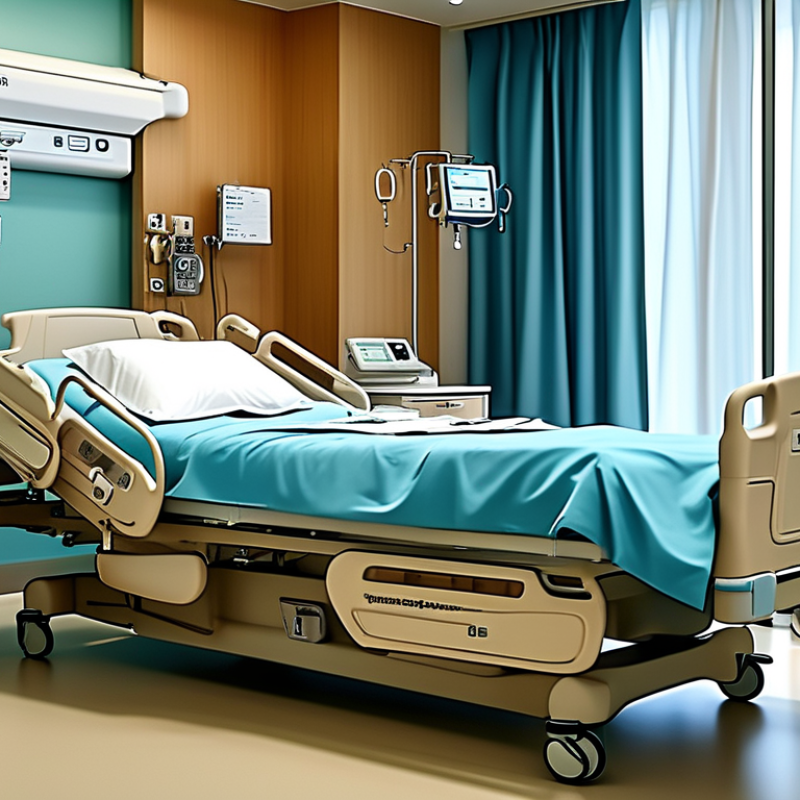
Understanding the Evolution of Hospital Bed Design Over the Years
Hospital bed design has evolved significantly over the years, influenced by advances in medicine and patient care. Earlier beds were simple, uncomfortable, and lacked essential functions. Now, they integrate technology to enhance patient comfort and safety. The latest beds often feature adjustable heights, built-in scales, and positions that facilitate better care.
Modern hospital beds are designed with material that promotes hygiene and infection control. Antimicrobial surfaces are becoming standard. This shift reflects a growing emphasis on patient safety. Additionally, beds are now more mobile, allowing easy adjustments in various settings. However, the balance between functionality and simplicity remains a challenge. Complex features can confuse both patients and staff.
Moreover, aesthetic elements are increasingly important. A more inviting environment can help alleviate patient anxiety. Yet, achieving this without sacrificing safety is difficult. There is often tension between design elegance and practicality. As we observe these trends, continuous reassessment is necessary to ensure beds meet both clinical and comfort needs.
Identifying Key Factors Influencing Hospital Bed Design Trends
In the evolving landscape of healthcare, several key factors are reshaping hospital bed design trends.
Ergonomics is a primary focus,
aiming to enhance patient comfort and caregiver efficiency. Recent studies indicate that well-designed beds
can reduce the risk of pressure injuries by up to 50%.
This statistic highlights the importance of investing in innovative designs that prioritize patient well-being.
Advancements in technology also influence bed design. Smart beds equipped with sensors monitor patient vitals
and adjust positions automatically. Reports note that these beds can decrease response times for nursing staff,
improving patient outcomes. However, the integration of technology poses challenges. Not all healthcare facilities
have the budget or infrastructure to support these innovations. Hence, a balance between
cost and functionality remains a crucial discussion point.
Sustainability is becoming increasingly significant.
Many hospitals are seeking eco-friendly materials. Data shows that 75%
of healthcare executives prioritize sustainability in their purchasing processes.
This shift reflects a growing awareness of environmental impact. Yet, the selection of sustainable materials
must not compromise safety or durability. As designs evolve, these conflicting priorities necessitate careful
consideration and dialogue among stakeholders.
Exploring Technological Innovations in Modern Hospital Beds
The landscape of hospital bed design is evolving rapidly, driven by innovations in technology. Recent reports show that the global market for hospital beds is forecasted to reach approximately $5 billion by 2027, highlighting a clear demand for enhanced patient care solutions. Modern hospital beds now integrate advanced features, such as adjustable positioning, built-in monitoring systems, and smart connectivity. These features aim to improve patient comfort and streamline workflows for healthcare providers.
Technology plays a crucial role in these innovations. Beds equipped with sensor technology can monitor vital signs and alert medical staff in real-time. Moreover, the integration of telemetry might significantly reduce response times in critical situations. Despite these advancements, many hospitals struggle to implement them effectively. Staff training and maintenance of these technologies require attention and resources.
Tips for implementing technological innovations include assessing your facility's needs before choosing beds. Involve staff in the decision-making process to ensure that the features will truly enhance their workflow. Additionally, prioritize training programs to maximize the benefits of new technologies. It is essential to remember that while technology improves care, the human touch remains irreplaceable.
How to Identify the Latest Trends in Hospital Bed Design?
| Trend |
Description |
Technological Innovation |
Benefits |
| Smart Beds |
Beds equipped with sensors to monitor patient vitals. |
IoT Integration |
Improved patient monitoring and response times. |
| Adjustable Height |
Beds that can be adjusted for easier access and comfort. |
Hydraulic Systems |
Enhanced caregiver ergonomics and patient comfort. |
| Anti-Entrapment Features |
Designs that reduce the risk of patient entrapment. |
Innovative Bed Designs |
Increased patient safety. |
| Integration with Telemedicine |
Beds that provide telehealth capabilities for remote consultations. |
Communication Technology |
Expanded access to healthcare services. |
| Infection Control |
Materials and designs that minimize infection risk. |
Antimicrobial Coatings |
Reduction in hospital-acquired infections. |
Assessing Patient-Centric Features in Contemporary Bed Designs
Identifying the latest trends in hospital bed design focuses on patient-centric features. Research shows that well-designed beds can significantly enhance patient comfort and recovery. A study from the American Journal of Nursing reports that 85% of patients prefer adjustable beds that enhance comfort during their hospital stay.
Smart technology is emerging in bed design, allowing for better monitoring of patient vital signs. Beds integrated with sensors can alert staff to changes in a patient’s condition. This technology can reduce response times and potentially save lives. However, the learning curve for staff in using these advanced features can be steep.
When assessing beds, look for features that promote mobility. Many patients struggle with moving independently. Beds with built-in mobility aids can address this issue. Collaborating with healthcare providers can help refine designs based on patient feedback.
Tips for evaluating hospital beds:
- Focus on ease of use for both patients and staff.
- Consider beds with adjustable height settings for better caregiver access.
- Ensure the design allows for easy cleaning and maintenance, which affects overall hygiene.
Evaluating the Impact of Regulatory Standards on Bed Design Trends
Regulatory standards significantly influence hospital bed design trends. These standards ensure safety and functionality. As healthcare environments evolve, compliance with regulations shapes both aesthetics and usability. Modern beds must accommodate advanced medical technology. They should also enable a versatile patient experience.
To navigate these trends, consider the following tips. Regularly review the latest regulatory updates. Regulatory bodies continuously revise standards, so staying informed is crucial. Collaborating with healthcare professionals can also provide insights into what features are necessary. Understanding user needs helps in designing more effective beds.
Designing compliant beds is complex. It requires balancing innovation with regulations. Some guidelines may seem restrictive. However, they often promote better patient outcomes. Finding that blend of compliance and creativity may take time. Reflecting on past designs can unveil opportunities for improvement. Consider how previous models handled regulations and what can be enhanced in future designs.
Conclusion
In recent years, the design of hospital beds has evolved significantly, reflecting both technological advancements and changing patient needs. To understand what are the latest trends in hospital bed design, it is crucial to consider the key factors influencing these innovations, including the increasing emphasis on patient comfort, safety, and accessibility. Modern hospital beds are increasingly equipped with features that promote patient-centric care, such as adjustable settings, integrated monitoring systems, and ergonomic designs that enhance patient mobility.
Furthermore, technological innovations play a pivotal role in shaping contemporary bed designs, incorporating smart technology and automation to assist healthcare providers. Regulatory standards also significantly influence design trends, ensuring that hospital beds meet necessary safety and quality benchmarks. By assessing these elements, healthcare facilities can stay abreast of the latest trends, ultimately improving patient outcomes and enhancing the healthcare experience.

 Dgem Medical