Long-term bedridden patients often face significant challenges in maintaining their comfort and dignity. Data from the World Health Organization reveals that over 10 million people worldwide are bedridden due to chronic illnesses. These individuals are particularly vulnerable to pressure ulcers, muscle atrophy, and psychological distress. This highlights the necessity of addressing how to improve comfort for long-term bedridden patients.
Effective strategies include regular repositioning, using specialized mattresses, and providing mental health support. It is crucial to create a healing environment that fosters emotional well-being. Studies indicate that a comfortable and supportive setting can reduce anxiety and improve overall quality of life for these patients. However, many caregivers lack the training and resources needed to implement these measures effectively, which can hinder care.
There is also a need for ongoing research and communication among healthcare professionals to refine comfort measures. Personal experiences from caregivers emphasize the challenge of balancing physical comfort with emotional support. This complexity raises important questions about the best practices in patient care. Understanding how to improve comfort for long-term bedridden patients requires a holistic approach that integrates both medical and emotional needs.
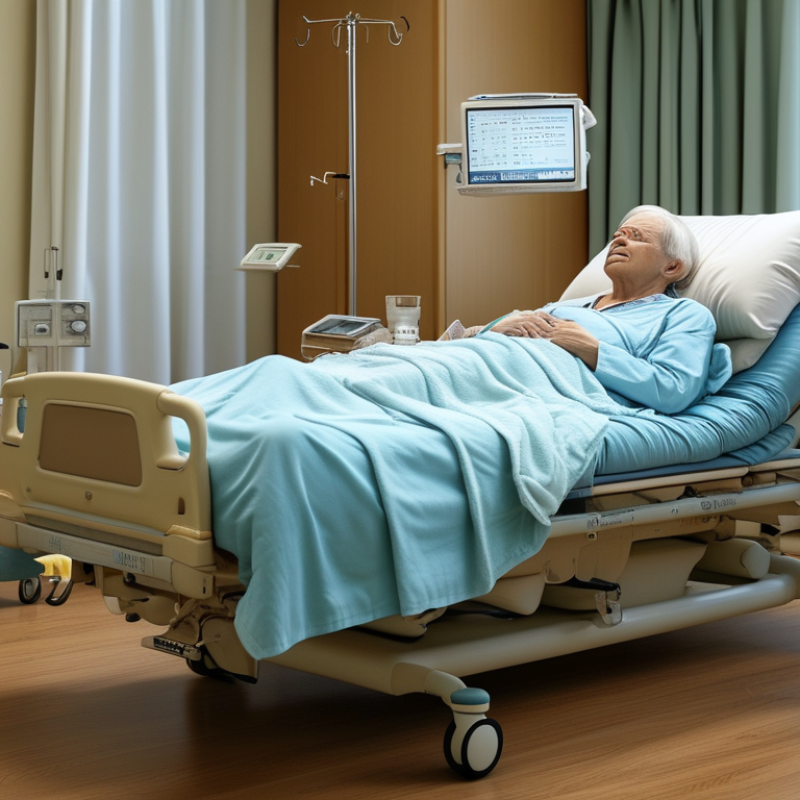
Long-term bedridden patients face unique challenges that require careful assessment of their needs. Understanding their physical and emotional requirements is essential for enhancing comfort. Regularly evaluating their skin condition, mobility, and overall health can help in providing tailored care. Consideration must be given to the patient’s preference for room temperature, lighting, and background noise. Small changes can make a significant impact on their daily experience.
Maintaining hygiene is crucial for bedridden patients. This includes regular bathing, changing linens, and rotating positions to prevent bedsores. It’s important to communicate regularly with the patient. Their feedback can reveal discomforts that may not be visible. Encouraging family involvement is also vital. They can help in making the environment feel familiar and nurturing.
Assessing psychological needs is equally important. Loneliness is a common issue for those confined to bed. Integrating social activities, like virtual visits or regular chats, can help. Encouraging hobbies or providing entertainment options can stimulate engagement. It is essential to recognize that each patient's needs are unique and change over time. Reflection on care practices can lead to improved strategies.
Creating a comfortable sleeping environment for bedridden patients involves careful attention to various factors. The sleeping area should be quiet, dark, and well-ventilated. Soft, breathable bedding can greatly enhance comfort. Consider using hypoallergenic materials to reduce irritation. Proper mattress selection is crucial. A medium-firm mattress can provide support without causing pressure points.
Tips: Ensure the room temperature stays between 68°F to 72°F. A fan can help circulate air. Use blackout curtains to block out light.
In addition to bedding and temperature, personal touches matter. Familiar items, like favorite photos or soft blankets, can provide emotional comfort. Regularly changing bedding keeps the environment fresh and clean.
Tips: Keep the area tidy and free from clutter. Schedule regular cleaning to maintain hygiene. Check for any signs of wear on bedding or furniture.
Establishing a routine can also promote a sense of normalcy. During the day, open windows for natural light. Allow for quiet moments free of disturbance. These small adjustments can have a significant impact on the overall comfort and well-being of long-term bedridden patients.
| Comfort Aspect | Recommendation | Benefits |
|---|---|---|
| Mattress Type | Use memory foam or gel mattresses | Provides pressure relief and better support |
| Pillow Support | Utilize multiple pillows for head and limb support | Reduces neck strain and improves comfort |
| Room Temperature | Maintain a cool room temperature (68-72°F) | Enhances sleep quality and comfort |
| Lighting | Use soft, adjustable lighting | Creates a calming atmosphere |
| Noise Control | Implement soundproofing or white noise machines | Minimizes disturbances for better sleep |
| Bedding Materials | Choose breathable, hypoallergenic fabrics | Reduces allergens and enhances comfort |
| Frequency of Position Changes | Change position every 2 hours | Prevents bedsores and increases circulation |
For long-term bedridden patients, pressure relief techniques and aids are vital for comfort and health. Continuous pressure on specific body areas can lead to painful sores. Proper positioning is essential. Changing a patient’s position every two hours can help distribute weight and alleviate pressure. A caregiver can gently roll the patient or reposition them using pillows. This can enhance blood circulation and reduce discomfort.
Pressure-relieving devices, such as specialized mattresses and cushions, play a significant role. These tools are designed to reduce the pressure on bony areas. They help in redistributing weight effectively. However, not every individual will respond the same way to these aids. Careful monitoring of the patient's skin can reveal whether the chosen method is effective. Adjustments may be necessary, as comfort levels can differ based on various factors like body type or existing health conditions.
Educating caregivers on proper techniques is essential. They should understand the importance of pressure relief and the risks involved. Regular training sessions can enhance their skills and boost confidence. However, finding the right balance of techniques and tools can be challenging. Each patient presents unique needs. This complexity requires ongoing assessment and adjustments in care strategies.
Maintaining hygiene and skin care is crucial for long-term bedridden patients. Prolonged immobility can lead to skin breakdown and infections. Regular cleaning and attention to skin condition are essential. Daily bathing, even with sponge baths, helps keep the skin clean and reduces odor. Proper moisture can prevent dryness and irritation.
Tips: Use mild, unscented soap for sensitive skin. Always dry the skin thoroughly, especially in folds, to prevent moisture buildup. Encourage movement if possible, or change positions frequently to relieve pressure on certain areas. This simple method can significantly reduce the risk of sores.
Bedridden patients should have a dedicated skincare routine. Apply a barrier cream where skin rubs against surfaces to protect from friction. Check frequently for any signs of redness or irritation. If any issues arise, consult with a healthcare professional quickly. Maintaining skin health significantly impacts a patient's overall comfort and well-being.
Long-term bedridden patients face unique challenges. Encouraging mobility is essential for enhancing their comfort. According to a study published in the Journal of Rehabilitation Research, patients who changed positions every two hours experienced fewer pressure ulcers. Position changes stimulate circulation and reduce muscle stiffness. These simple movements can make a significant difference in a patient’s well-being.
Implementing mobility routines can be as simple as helping patients shift their weight or adjust their limbs. Regular changes prevent pain and discomfort associated with prolonged pressure. A report from the National Institutes of Health suggests that physical activity, even minimal, can improve mental health among bedridden patients. Engaging patients in their mobility promotes autonomy and uplifts their spirit.
However, not all patients can participate actively. Some may resist due to fear of pain or discomfort. Caregivers must approach mobility encouragement with empathy and patience. Balancing comfort and necessary mobility requires ongoing evaluation. It is vital to track progress and stay flexible with care plans. This attention to detail can enhance patient outcomes significantly.
: They prevent painful sores caused by continuous pressure on specific body areas. Proper positioning enhances comfort and health.
A patient’s position should ideally be changed every two hours to alleviate pressure and improve blood circulation.
Specialized mattresses and cushions redistribute weight effectively against bony areas.
Regularly checking the patient's skin can reveal the effectiveness of chosen techniques and adjustments may be needed.
Educating caregivers on proper techniques enhances their skills and boosts confidence in managing pressure relief.
Encouraging mobility helps reduce pressure ulcers and stimulates circulation, improving overall well-being.
Helping them shift weight or adjust limbs can promote mobility and comfort.
Caregivers need empathy, patience, and flexibility to balance comfort with necessary mobility.
Each patient has unique needs, requiring ongoing assessment and adjustments to care strategies.
Even minimal activity can enhance mental health and promote a positive spirit among bedridden patients.
When considering how to improve comfort for long-term bedridden patients, it is essential to start by assessing their individual needs. This includes evaluating their medical conditions, preferences, and any specific discomfort they may experience. Creating an appropriate sleeping environment is crucial; ensuring that the bedding is suitable and the room is conducive to rest can significantly enhance comfort levels.
Additionally, implementing pressure relief techniques and aids helps prevent bedsores, a common concern for those confined to bed for extended periods. Maintaining rigorous hygiene and skin care regimens is vital to prevent infections and promote skin health. Encouraging mobility and regular position changes can also play a significant role in enhancing comfort, as it reduces the risk of complications and promotes overall well-being. By focusing on these key areas, caregivers can effectively improve the comfort and quality of life for long-term bedridden patients.

Dgem Medical