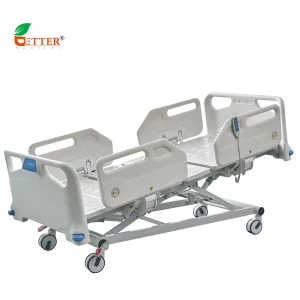
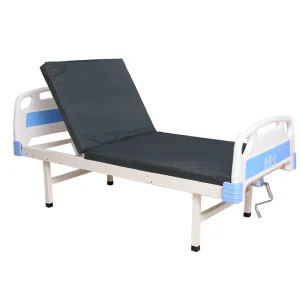
Discover our leading selection of ergonomic medical beds, hydraulic patient transfer systems, and heavy-duty clinical solutions manufactured to strict CE & ISO standards.
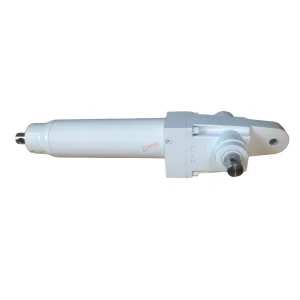
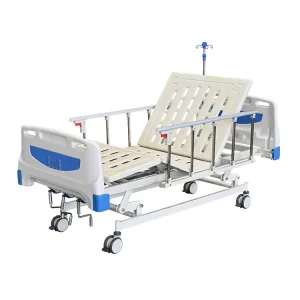
Pioneering safety, innovation, and long-term durability in global medical environments.
We are a professional manufacturer specializing in advanced hospital bed solutions, delivering high-quality electric, manual, and smart patient care systems for global healthcare environments. With a strong focus on innovation, precision engineering, and patient-centered design, the company has established itself as a reliable partner for hospitals, nursing homes, rehabilitation centers, and home care providers worldwide.
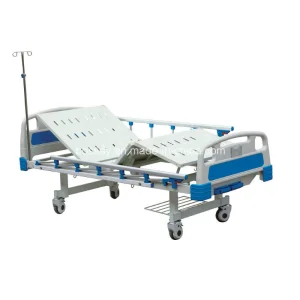
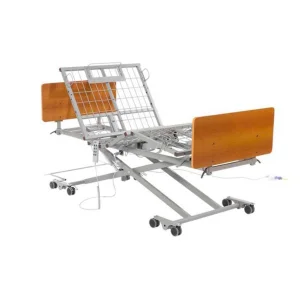
Our offering includes electric hospital beds, manual nursing beds, ICU critical care beds, and intelligent smart beds equipped with integrated monitoring and remote control functions. Each product is designed to enhance patient comfort, improve caregiver efficiency, and meet strict international healthcare standards. Backed by a skilled R&D team and modern manufacturing facilities, we integrate advanced technologies such as IoT connectivity and ergonomic design into every solution.
We emphasize durability, safety, and ease of operation, ensuring long-term value for medical institutions. Hangzhou Dgem Medical Co., Ltd. adheres to rigorous quality control systems and provides flexible OEM/ODM services to meet diverse market demands. With a growing international presence, we continue to support healthcare providers worldwide by delivering reliable, efficient, and innovative patient care equipment designed to withstand modern clinical challenges.
Analyzing market trends, demographic changes, and the economic shift toward intelligent assistive infrastructure.
The global market for assistive living devices and professional hospital furniture is experiencing unprecedented transformation. Accelerated by demographic aging trends across North America, Europe, and Northeast Asia, healthcare systems are under immense pressure to optimize patient care pipelines. Modern clinical practices no longer view a patient bed as simple furniture; instead, it is treated as an active rehabilitation platform designed to limit nosocomial complications, prevent pressure ulcers, and mitigate caregiver back injuries.
According to current market intelligence, the global assistive living devices market is projected to reach significant valuations by 2030, driven by the expanding home healthcare sector and state-funded long-term care initiatives. Chinese manufacturers, led by innovators like Hangzhou Dgem Medical Co., Ltd., occupy a vital position in the international supply chain. By pairing robust raw material sourcing with high-precision automated welding and advanced electronic integration, Chinese suppliers deliver cost-efficient, high-performance systems that meet strict Western regulatory thresholds (such as EN 60601-2-52 safety requirements for medical beds).
By 2050, the global population aged 60 and older will double to 2.1 billion. This shift changes clinical priorities from acute care to long-term rehabilitation, escalating demand for home-based manual and smart adjustable beds that offer institutional stability at residential form factors.
Traditional nursing workflow optimizations utilize electric actuation. By combining linear actuators with smart sensors, modern clinical beds can monitor patient vital signs, detect out-of-bed movements, and automatically adjust contouring to prevent pressure sore development.
Global procurement offices face budget constraints. Direct-from-manufacturer sourcing channels in China mitigate middleman markups, permitting procurement managers to deploy electric, multi-functional ICU units within the budgetary limits of standard manual beds.
Matching clinical environments with specialized assistive equipment configurations.
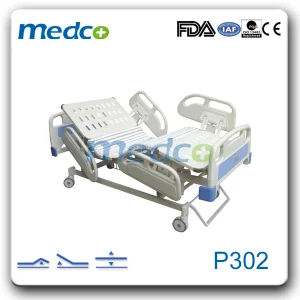
ICU wards require maximum reliability, multi-axial adjustments, and prompt emergency response mechanisms. Five-function electric beds featuring PP wings side rails, cardiac chair positioning, and Trendelenburg / Reverse Trendelenburg capabilities are essential. The integration of centralized nurse control panels allows instant lockout and positioning control, maximizing patient safety during acute interventions.
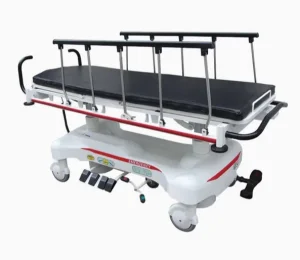
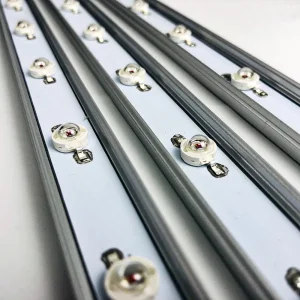
Rehabilitation therapy relies on gradual physical mobilization. Systems such as multi-body position physical therapy beds, LED light therapy equipment, and adjustable-height hydraulic examination beds assist therapists in executing progressive mobilization routines while protecting patients from falls and joint stress.
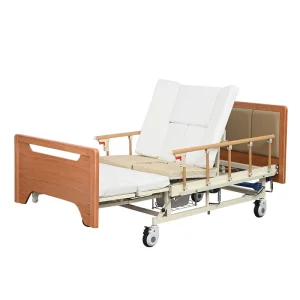
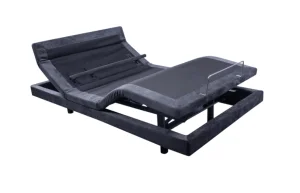
Home care settings demand equipment that blends clinical safety with home aesthetics. Extra-wide bariatric beds with high load capacities are critical for overweight patients. Smart adjustable beds equipped with integrated massage motors, wireless remote controls, and built-in USB ports provide comfort and patient autonomy without sacrificing clinical functionality.
The progression from static mechanical supports to intelligent, IoT-enabled rehabilitation platforms.
The manufacturing future of medical furniture lies in deep structural integration. As a leading manufacturer, Hangzhou Dgem Medical Co., Ltd. continuously evaluates the technological trajectory of patient care devices. Our product roadmap outlines the convergence of heavy mechanical safety with electronic sensing:
Phase 1: Mechanical Precision (Manual & Hydraulic Systems)
Optimizing gear configurations, high-tolerance mechanical cranks, and heavy-duty double-crank linkages. Key focus is reducing physical effort for caregivers and ensuring structural durability over decades of continuous operation.
Phase 2: Electromechanical Integration (Multi-Motor Actuators)
Deploying low-noise, waterproof (IPX4 rating) linear motors. Introducing precise control systems for backrest elevation, leg elevation, height adjustments, and Trendelenburg angles with smooth, shock-free transitions.
Phase 3: IoT Connectivity & Smart Ward Integration (The Current Frontier)
Incorporating load-cell sensors for real-time patient weight tracking, out-of-bed warning systems, and smart massage motors. Data is communicated via wireless protocols to central nursing stations to streamline clinical workflows.
Our ongoing research also targets environmental safety. From antimicrobial powder coatings that resist harsh hospital-grade disinfectants to non-toxic ABS materials that prevent chemical outgassing, the materials science behind Dgem Medical beds is engineered to protect vulnerable patients.
End-to-end manufacturing, custom customization, and global distribution logistics.
For large-scale distributors, hospital constructors, and international health agencies, securing a reliable supply chain is critical. Hangzhou Dgem Medical Co., Ltd. provides optimized B2B solutions tailored for high-volume procurements:
We modify frame sizes, electrical configurations (voltage, plug configurations, control interfaces), castor types, and guardrail form factors to comply with local healthcare practices and tenders.
All exports are accompanied by full compliance documentation. This includes CE declarations of conformity, ISO 13485 medical device quality management system documentation, and materials testing certifications.
To reduce international freight costs, our beds feature semi-knocked-down (SKD) packaging structures. This maximizes container volume loading without extending installation times at the destination facility.
Addressing technical, structural, and procurement inquiries from global healthcare buyers.
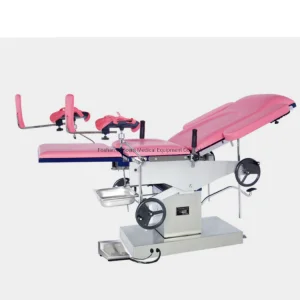
Explore our specialized rehabilitation equipment, obstetric delivery platforms, ICU beds, and pediatric solutions.
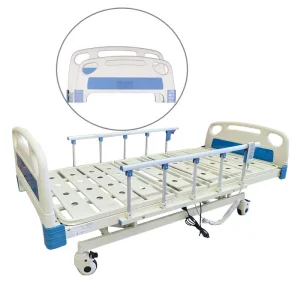
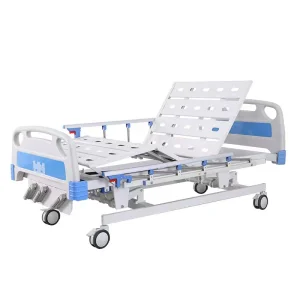
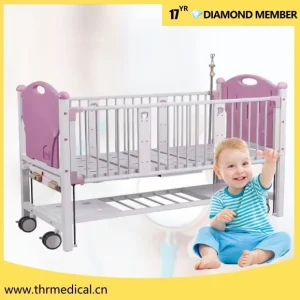
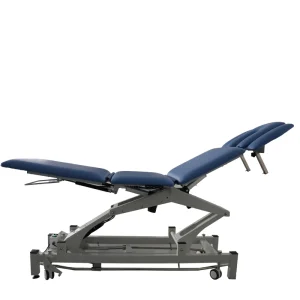
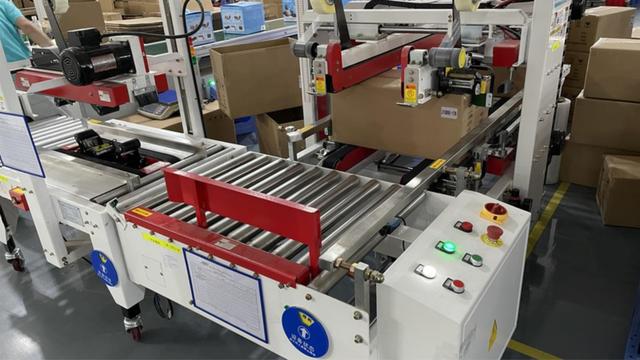
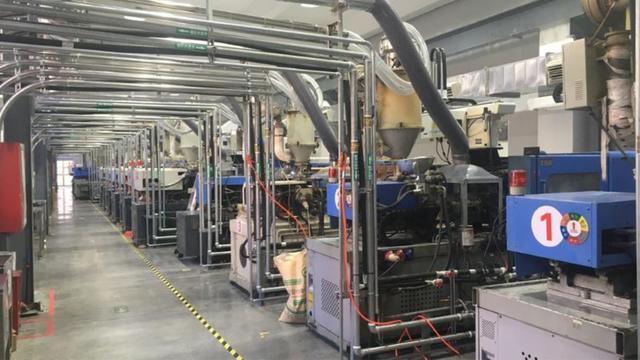
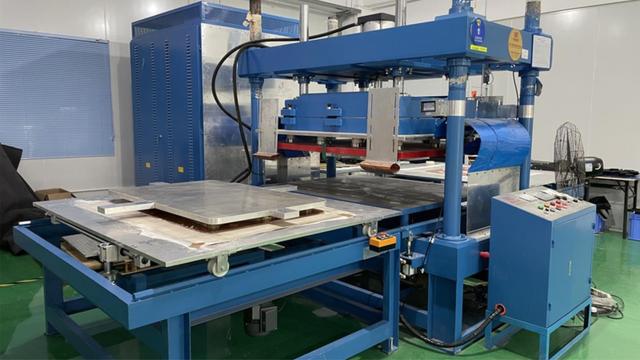
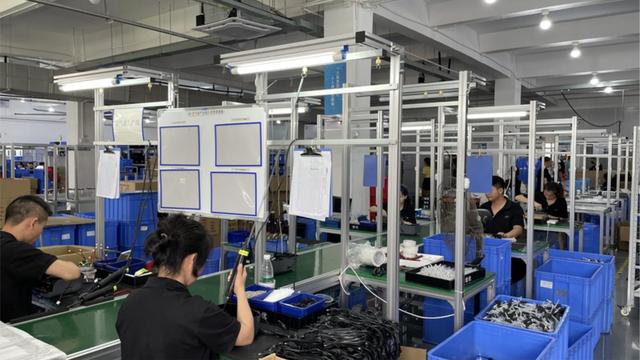
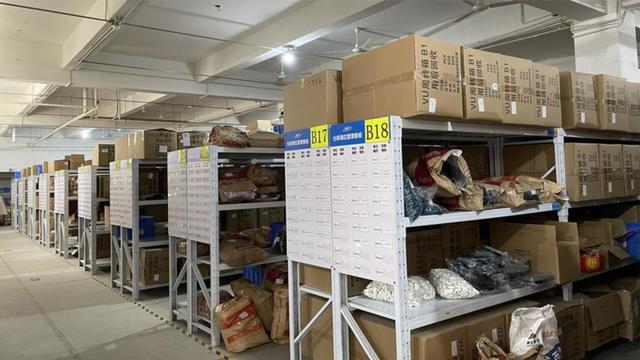
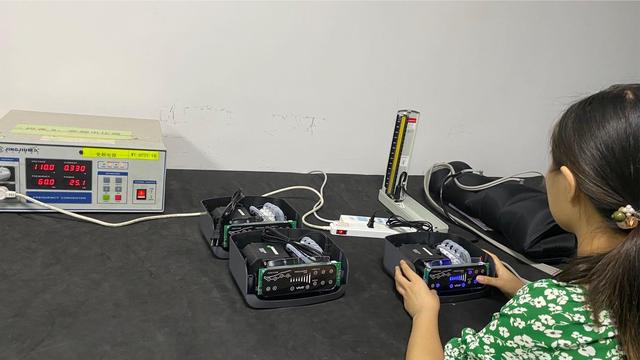
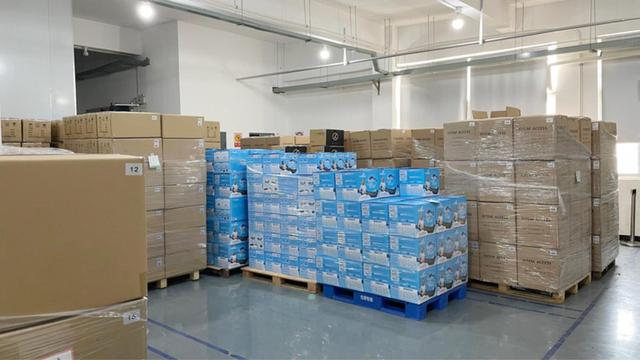
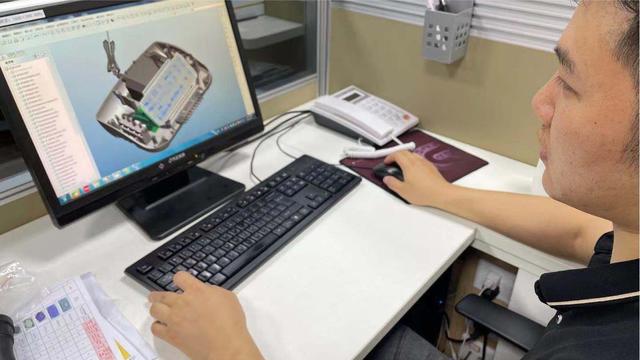
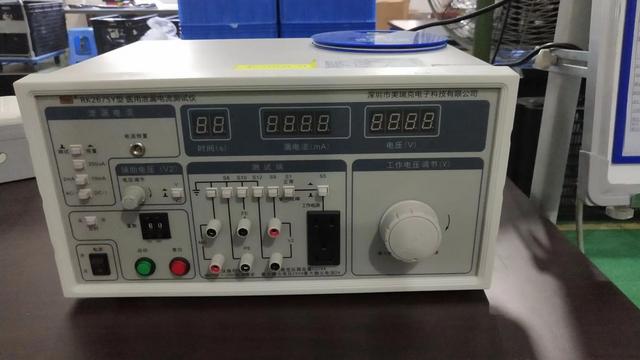
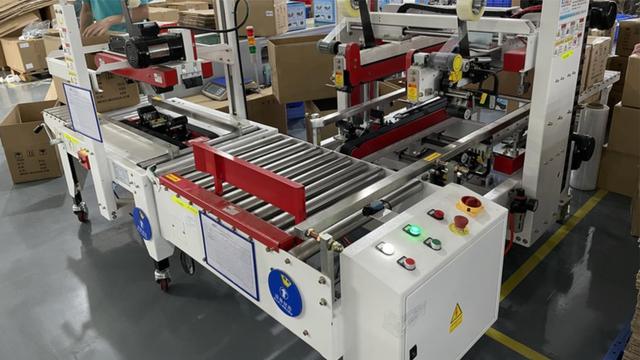
Take a visual tour inside our advanced fabrication lines, assembly stations, and testing centers.
 Dgem Medical