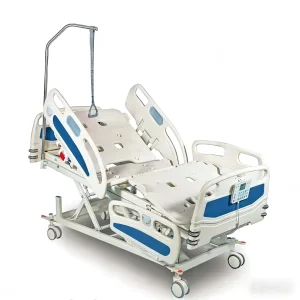
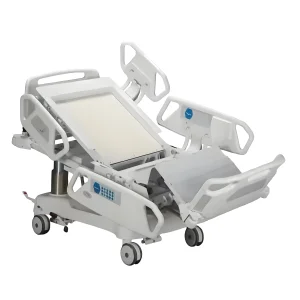
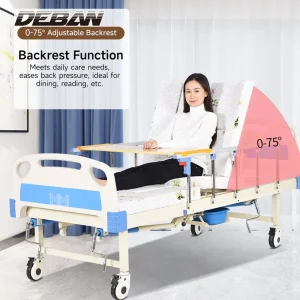
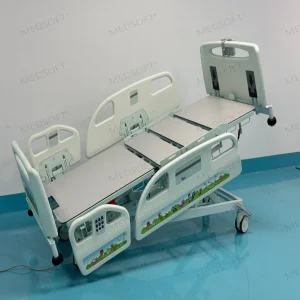
The global healthcare sector is undergoing a seismic shift. As we navigate the post-pandemic era, Telehealth Solutions have evolved from a luxury "add-on" to a fundamental requirement for modern medical infrastructure. Beyond simple video consultations, the industry now encompasses a sophisticated ecosystem of smart hardware—most notably, intelligent patient beds and monitoring systems—that bridge the gap between hospital and home.
In 2024, the demand for telehealth-integrated hardware is skyrocketing. Manufacturers and exporters are no longer just building furniture; they are engineering "hubs" of data. A top-tier telehealth solution today must integrate seamlessly with hospital information systems (HIS), providing real-time data on patient weight, position, and vital metrics. This digitalization of the physical care environment is reducing caregiver burnout and drastically improving patient outcomes in both critical care (ICU) and long-term geriatric settings.
The telehealth market is projected to reach a CAGR of over 24% by 2030, driven by an aging global population and the decentralization of healthcare services.
Advanced manufacturing in hubs like China is enabling the mass production of high-tech ICU beds that meet European CE and American FDA standards at competitive prices.
IoT-enabled beds are now the gold standard, allowing doctors to monitor recovery remotely and adjust treatment protocols without physical presence.
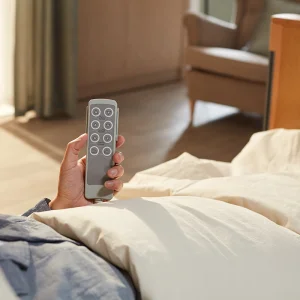
The convergence of Artificial Intelligence (AI) and medical hardware is the most significant trend defining the current market. Smart beds are now equipped with AI-driven pressure redistribution algorithms to prevent decubitus ulcers (bedsores), a common and costly complication in long-term care. Furthermore, the "Hospital-at-Home" model is gaining traction, where high-end electric adjustable beds are exported to residential settings to facilitate professional-grade recovery in a familiar environment.
Sustainability is another emerging pillar. Leading exporters are adopting eco-friendly materials and energy-efficient actuators (like Linak systems) to reduce the environmental footprint of medical facilities, aligning with global ESG (Environmental, Social, and Governance) targets.
Procurement officers for government health ministries and private hospital chains are increasingly looking for more than just a product; they are looking for a long-term technical partnership. Key requirements for global tenders now include:
Telehealth hardware isn't a "one-size-fits-all" solution. Its application varies significantly across the globe:
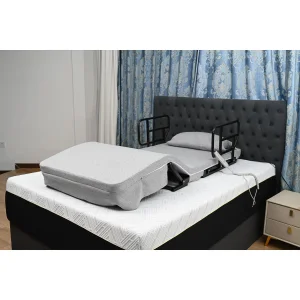
In Developed Markets (Europe/North America): The focus is on Geriatric Rehabilitation and home care. High-tech profiling beds with wood-grain finishes that blend into home decor but offer clinical-grade function are in high demand.
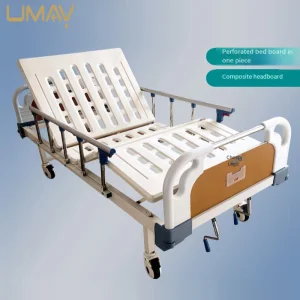
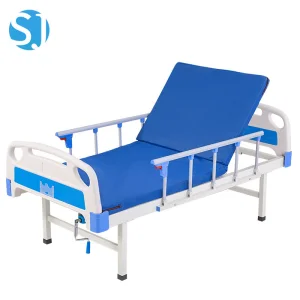
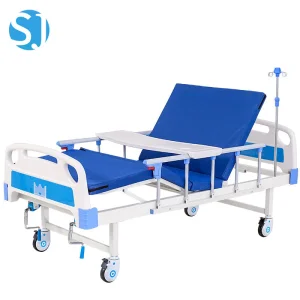
In Emerging Markets (Africa/Latin America): The priority is Mobile Telehealth Units and rural clinics. Robust, manual or semi-electric beds that are easy to maintain and provide stable performance in remote areas are essential for expanding healthcare access.
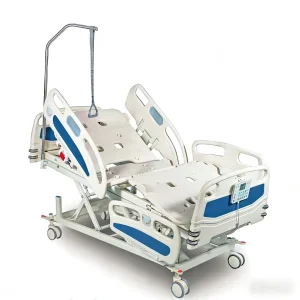
In High-End Clinical Settings: Smart ICU beds with integrated weighing systems and automated "lateral tilt" functions are used to assist in the care of critically ill patients, reducing the physical strain on nursing staff and minimizing human error in patient monitoring.
Hangzhou Dgem Medical Co., Ltd. is a professional manufacturer specializing in advanced hospital bed solutions, delivering high-quality electric, manual, and smart patient care systems for global healthcare environments. With a strong focus on innovation, precision engineering, and patient-centered design, the company has established itself as a reliable partner for hospitals, nursing homes, rehabilitation centers, and home care providers.
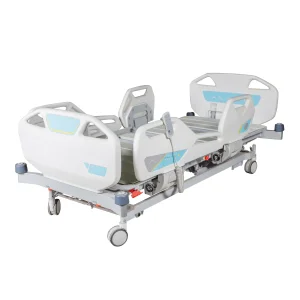
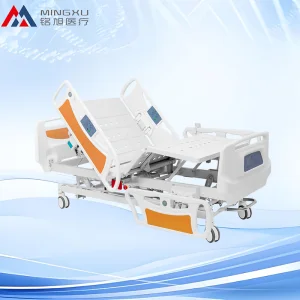
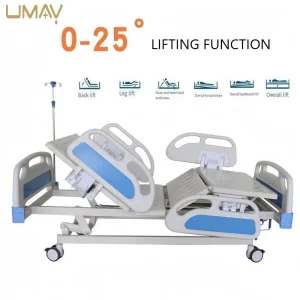
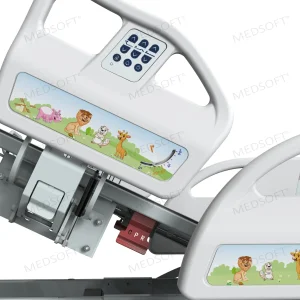
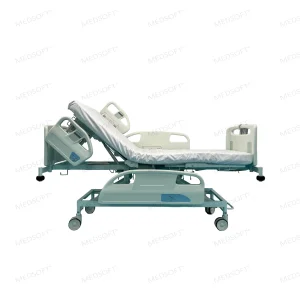
Dgem Medical offers a comprehensive product portfolio, including electric hospital beds, manual nursing beds, ICU critical care beds, and intelligent smart beds equipped with integrated monitoring and remote control functions. Each product is designed to enhance patient comfort, improve caregiver efficiency, and meet strict international healthcare standards.
Backed by a skilled R&D team and modern manufacturing facilities, Hangzhou Dgem Medical integrates advanced technologies such as IoT connectivity and ergonomic design into its solutions. The company emphasizes durability, safety, and ease of operation, ensuring long-term value for medical institutions.
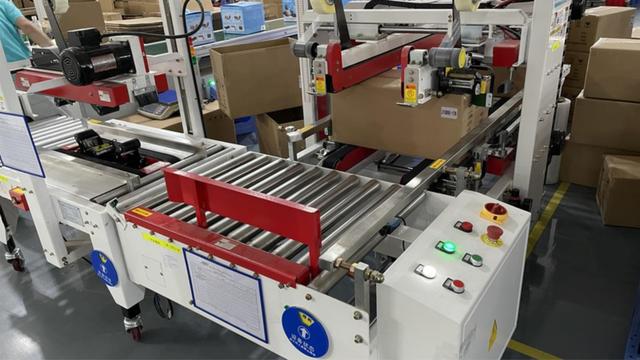
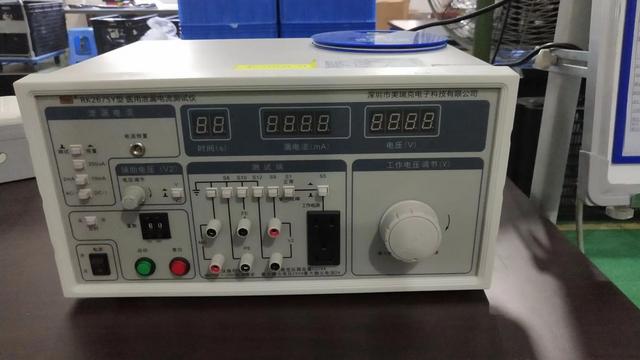
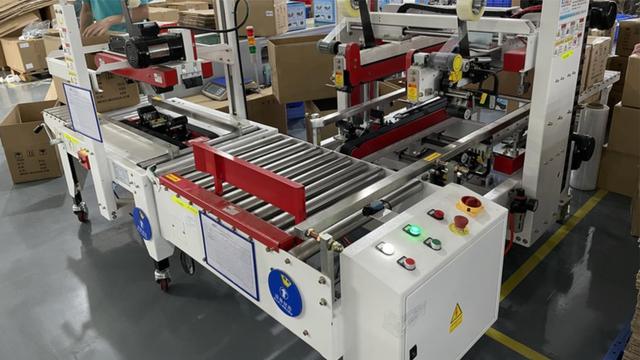
Modern Production Line at Hangzhou Dgem Medical Facility
Choosing Hangzhou Dgem Medical as your manufacturing partner offers distinct strategic advantages:
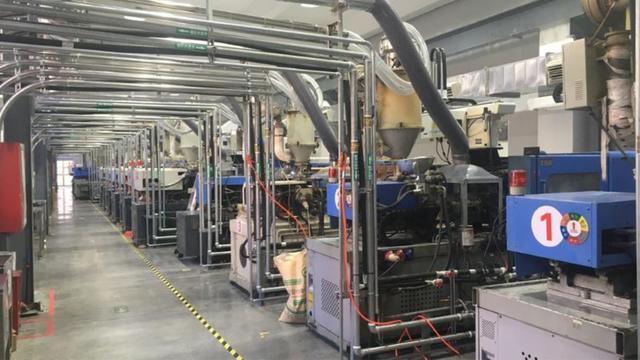
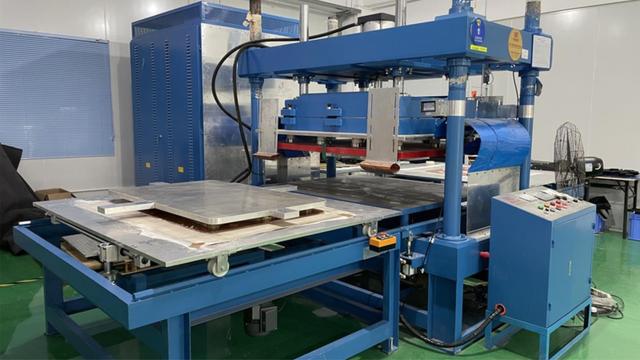
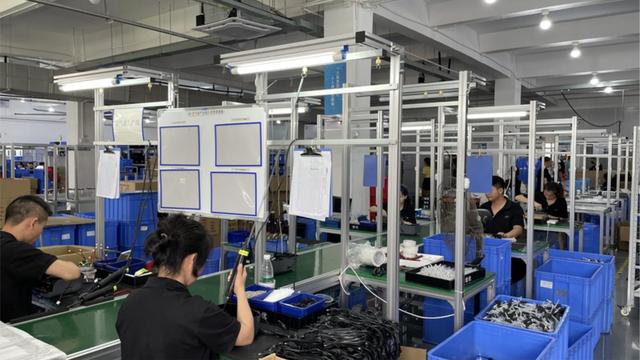
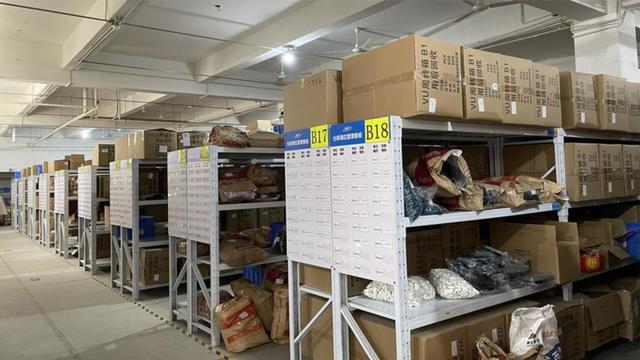
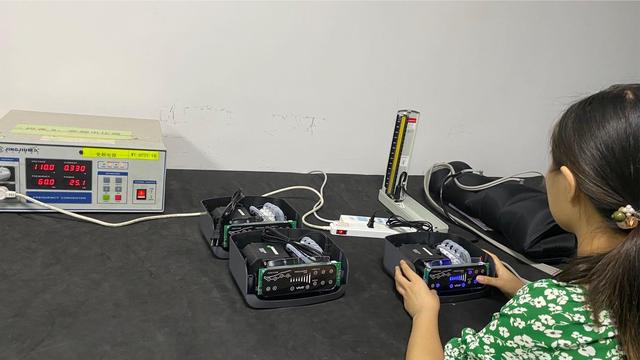
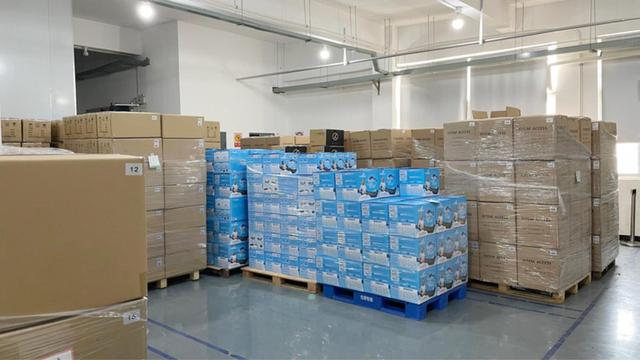
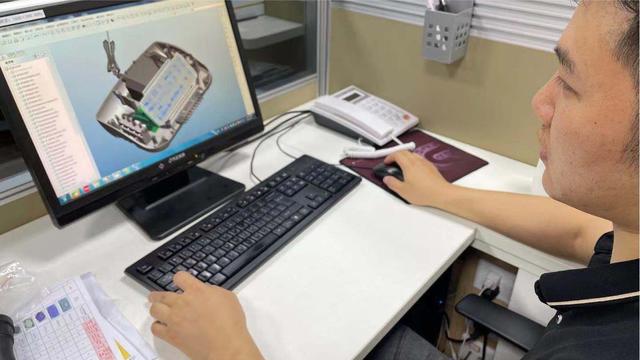
When searching for the Top 10 Telehealth Solutions Manufacturers, technical expertise is paramount. Hangzhou Dgem Medical stands at the forefront by combining decades of mechanical engineering experience with modern digital innovation. Our commitment to quality and global service ensures that every bed we export—from the basic manual ward bed to the most complex smart ICU system—contributes to a safer, more efficient healthcare environment.
Committed to quality and global service, Dgem Medical adheres to rigorous quality control systems and provides flexible OEM/ODM services to meet diverse market demands. With a growing international presence, the company continues to support healthcare providers worldwide by delivering reliable, efficient, and innovative patient care equipment. Whether you are a clinical procurement officer or a medical equipment distributor, our solutions are engineered to meet the highest standards of reliability and performance.
 Dgem Medical