The global orthopedic treatment devices market is witnessing an unprecedented era of growth, driven by a combination of demographic shifts and technological breakthroughs. As the world's population continues to age, the prevalence of musculoskeletal disorders, degenerative bone diseases, and traumatic injuries has surged. This has placed immense pressure on healthcare systems to provide more efficient, durable, and effective treatment solutions.
Leading manufacturers and exporters are no longer just metal fabricators; they are technology integrators. Today's market demands devices that do more than just stabilize—they must facilitate rehabilitation. The transition from basic hospital beds to multi-functional traction beds and digital lumbar therapy systems signifies a move toward holistic patient care. Organizations like Hangzhou Dgem Medical Co., Ltd. are at the forefront of this shift, bridging the gap between clinical requirements and engineering precision.
Currently, North America and Europe remain major consumers due to their advanced healthcare infrastructures. However, the Asia-Pacific region is the fastest-growing market, with massive hospital expansion projects in China, India, and Southeast Asia. This regional growth has catalyzed the development of "Smart Orthopedic Wards," where every piece of equipment, from the traction frame to the mattress, is optimized for patient recovery speed.
Global Market Value
Annual Growth Rate
Countries Served
Patient Support Focus
Innovation in the orthopedic sector is moving toward digitalization, ergonomic personalization, and material science. Manufacturers are focusing on these key pillars:
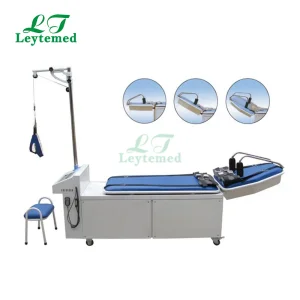
Modern traction beds now feature digital displays and sensors to monitor traction force and patient positioning in real-time. This allows for precise data logging and reduces the risk of human error in physiotherapy.
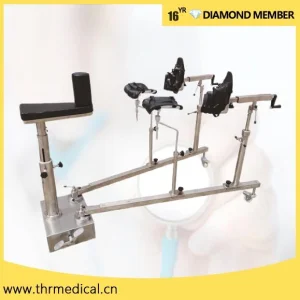
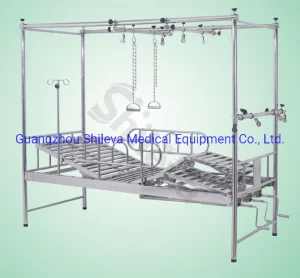
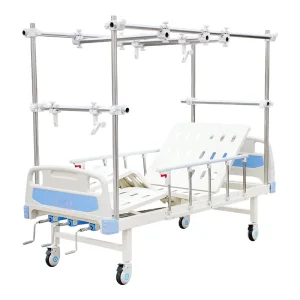
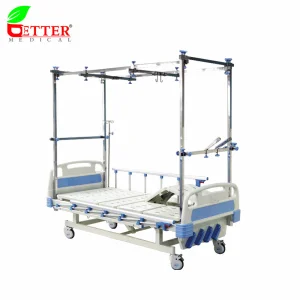
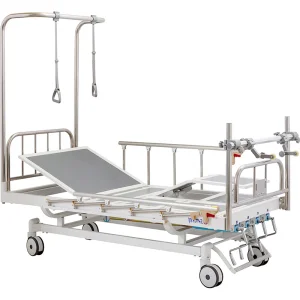
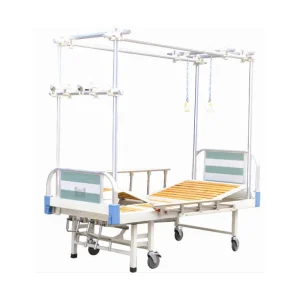
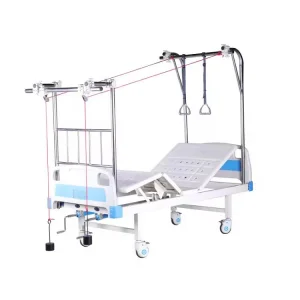
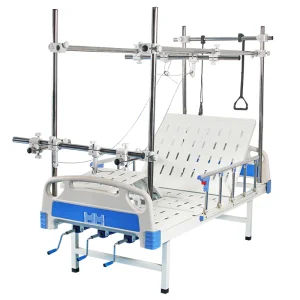
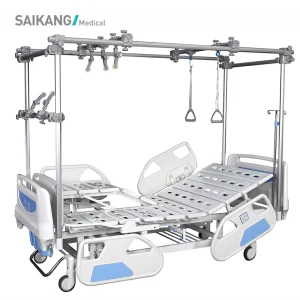
The shift toward high-grade stainless steel and anti-rust coatings (like the 4-function manual traction bed) ensures equipment longevity in humid or high-intensity hospital environments, providing better ROI for institutions.
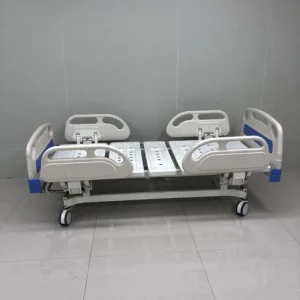
Devices are becoming "Swiss Army Knives" of care. A single bed can now serve as a trauma stabilization unit, a traction therapy station, and a standard nursing bed, maximizing hospital floor space.
AI algorithms are being used to predict patient recovery paths, suggesting adjustments to traction angles and duration based on historical data and physiological feedback.
With the rise of "Hospital at Home" models, there is a growing demand for professional-grade orthopedic beds that are aesthetically suitable and easy to operate in a residential setting.
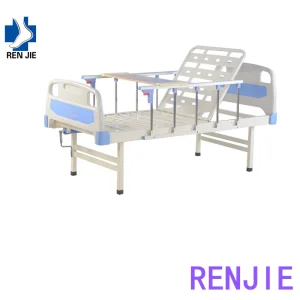
While electric systems provide ease, manual cranks remain vital for reliability in disaster relief zones and areas with unstable power, leading to "Hybrid" designs.
For international hospital procurement officers and medical equipment distributors, the selection of an orthopedic device manufacturer is a high-stakes decision. Key criteria include:
Trauma Centers: Rapid stabilization using manual multi-crank orthopedic beds during emergency admissions.
Physical Therapy Clinics: Utilizing digital lumbar traction beds for precise spinal decompression sessions.
Elderly Care Homes: Implementation of pressure-sore preventing mattresses and beds with rehabilitation poles to aid mobility.
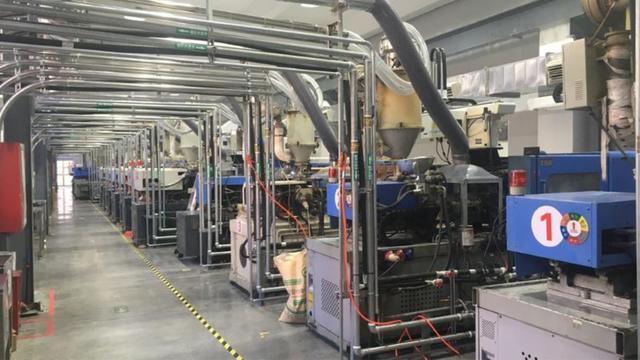
China, particularly the manufacturing hubs like Hangzhou, has evolved from a low-cost production center to a global leader in high-end medical technology. As a premier manufacturer, Hangzhou Dgem Medical Co., Ltd. exemplifies the advantages that Chinese factories offer to the global market:
1. Unmatched Supply Chain Efficiency: Our proximity to raw material suppliers (high-grade steel, medical plastics) and electronics hubs allows for rapid R&D cycles and shorter lead times.
2. Cost-Effective Innovation: We provide "Tier 1" technology at prices that allow hospitals in developing economies to upgrade their infrastructure without overextending budgets.
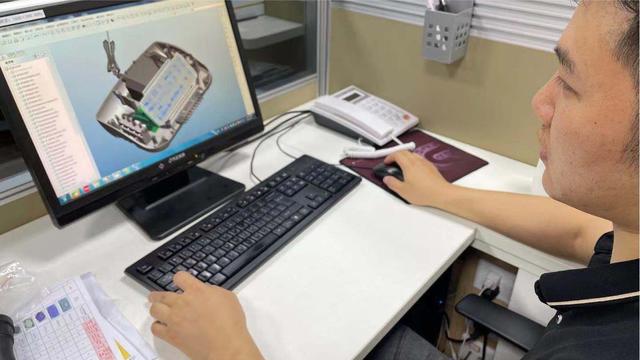
3. Advanced OEM/ODM Capability: We don't just sell products; we solve problems. Whether it's a specific height requirement for local populations or customized split-leg designs, our engineering team can adapt designs within weeks.
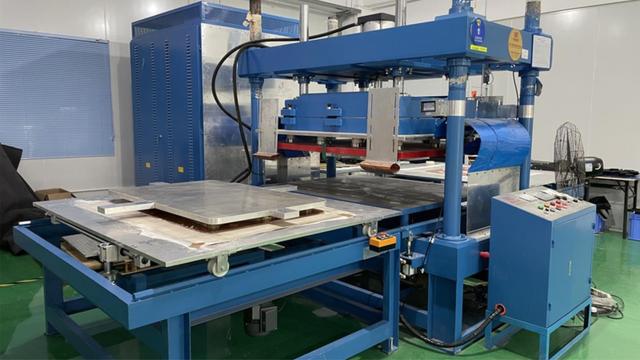
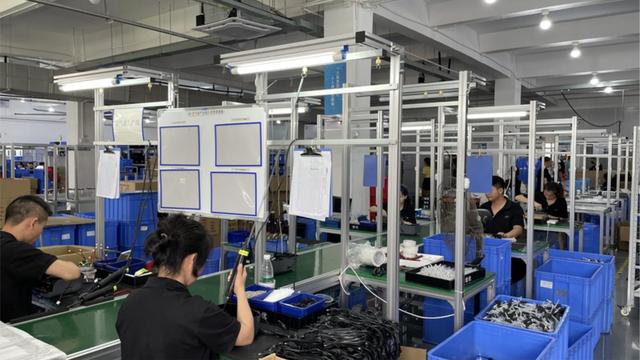
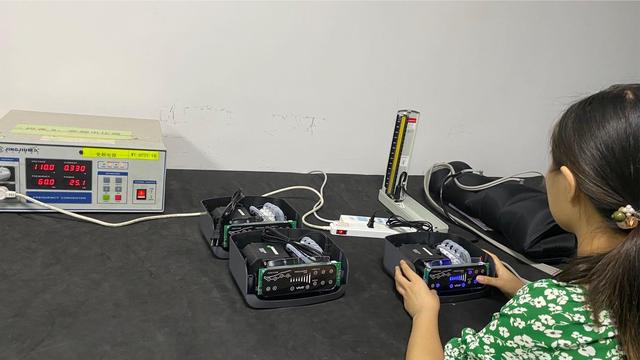
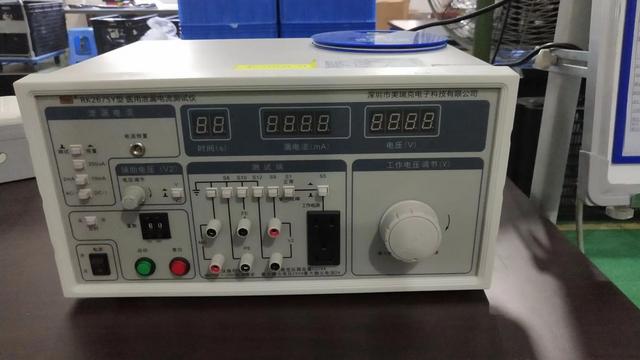
4. Rigorous Quality Control: Modern Chinese factories implement "Smart Manufacturing" processes. Every welding point, motor cycle, and traction pulley is tested against international stress benchmarks before shipment.
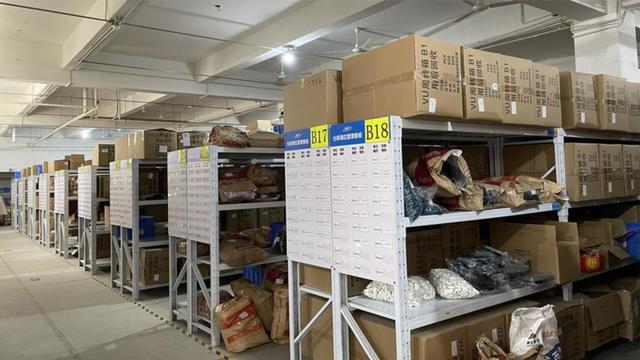
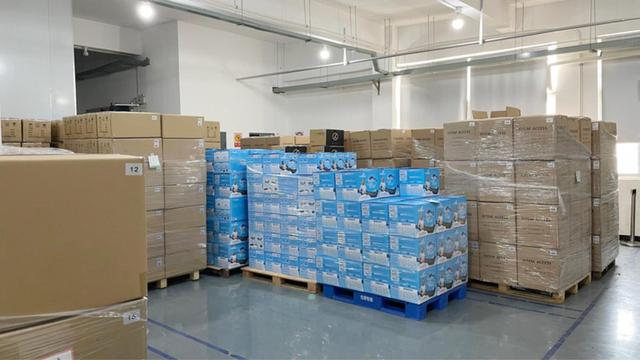
5. Strategic Logistics: Located near major ports, we ensure that bulky equipment like orthopedic beds are packed and shipped with maximum volumetric efficiency, reducing international freight costs for our partners.
"Our mission is to integrate IoT connectivity and ergonomic design into every solution, ensuring long-term value for medical institutions worldwide." - Hangzhou Dgem Medical
Hangzhou Dgem Medical Co., Ltd. is a professional manufacturer specializing in advanced hospital bed solutions, delivering high-quality electric, manual, and smart patient care systems for global healthcare environments. With a strong focus on innovation, precision engineering, and patient-centered design, the company has established itself as a reliable partner for hospitals, nursing homes, rehabilitation centers, and home care providers.
Dgem Medical offers a comprehensive product portfolio, including electric hospital beds, manual nursing beds, ICU critical care beds, and intelligent smart beds equipped with integrated monitoring and remote control functions. Each product is designed to enhance patient comfort, improve caregiver efficiency, and meet strict international healthcare standards.
Backed by a skilled R&D team and modern manufacturing facilities, Hangzhou Dgem Medical integrates advanced technologies such as IoT connectivity and ergonomic design into its solutions. The company emphasizes durability, safety, and ease of operation, ensuring long-term value for medical institutions.
Committed to quality and global service, Dgem Medical adheres to rigorous quality control systems and provides flexible OEM/ODM services to meet diverse market demands. With a growing international presence, the company continues to support healthcare providers worldwide by delivering reliable, efficient, and innovative patient care equipment.
As we look toward 2030, the orthopedic treatment device industry will likely be defined by "Hyper-Personalization." Using 3D imaging and AI, traction beds will automatically adjust to a patient’s specific bone density and muscle mass, providing a bespoke recovery experience that was previously impossible.
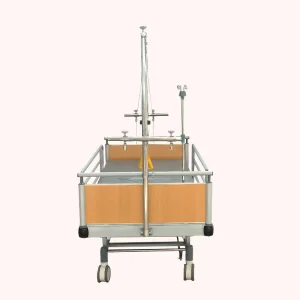
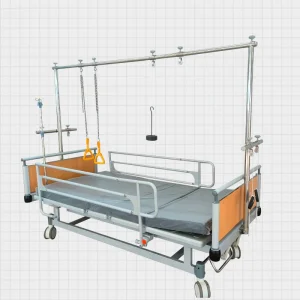
For hospitals and exporters, staying ahead means partnering with manufacturers who are not only masters of hardware—like the stainless steel beds and manual cranks shown above—but also pioneers in medical software integration. Hangzhou Dgem Medical continues to invest heavily in this duality, ensuring that whether a patient is in a high-tech ICU in New York or a rural clinic in Brazil, they receive the highest standard of orthopedic care.
In conclusion, the "Top 10" manufacturers are those who prioritize the patient’s journey from trauma to mobility. By choosing equipment that combines durability (anti-rust features), functionality (5-function adjustment), and innovation (digital displays), healthcare providers can significantly improve outcomes and operational efficiency.
 Dgem Medical